
- Our Team
- For Patients
- Treatments & Services
- Medical Professionals
Low-Dose Radiation for Osteoarthritis (LD-RT)
Low-dose radiation therapy (LD-RT) is a noninvasive treatment that uses significantly lower levels of radiation than standard radiation therapy to reduce inflammation and relieve painful musculoskeletal conditions. It can help manage pain in areas such as the hands, fingers, knees, hips, ankles, shoulders, and spine.
For some patients with osteoarthritis, LD-RT may serve as an alternative pain-management option when other treatments have not provided sufficient relief.

Although relatively new in the United States, LD-RT has long been a widely used treatment across Europe for osteoarthritis and other musculoskeletal disorders. Studies show that more than 70% of patients experience pain improvement after their initial treatment series, and many continue to report lasting relief even two years later.
LD-RT is commonly used to treat conditions including plantar fasciitis, trochanteric bursitis, medial and lateral epicondylitis, various joint tendinopathies, and osteoarthritis of both large and small joints.
What to Expect During LD-RT
A typical low-dose radiation therapy (LD-RT) plan includes six to eight treatment sessions, scheduled either every other day or twice a week over a two- to three-week period. Your exact treatment plan may differ based on your overall health and the amount of radiation needed around nearby tissues. Your doctor will use this information to determine the number of sessions that’s right for you.
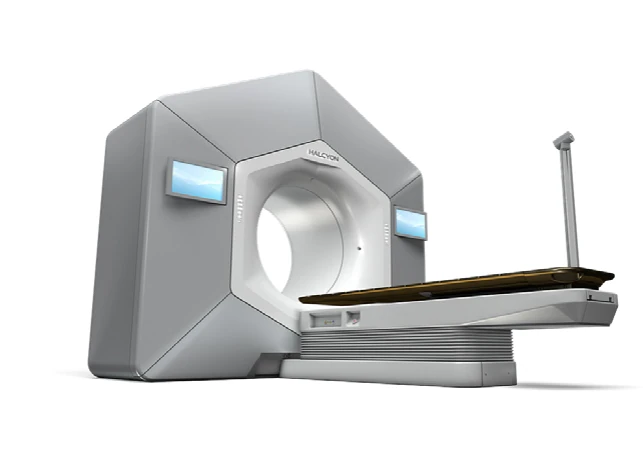
Each LD-RT session lasts about 10-15 minutes, and multiple joints can be treated during the same visit. Once the machine starts, you may hear it moving or making clicking and buzzing sounds—this is completely normal. You might also notice a slight, unfamiliar smell, which is simply ozone produced by the linear accelerator.
Does Low-Dose Radiation Therapy Have Side Effects?
LD-RT is a painless treatment, and most patients can continue their normal daily activities throughout the course of therapy. Because the radiation dose is very low, LD-RT for osteoarthritis has not been associated with significant acute side effects.
Why Choose Low-Dose Radiation Therapy for Osteoarthritis?
Low-dose radiation therapy is a proven, effective treatment that has been used to treat a variety of painful musculoskeletal conditions, including osteoarthritis. It was first used shortly after X-rays were discovered and has become more commonly used as radiation techniques have improved. At lower-dose rates, radiation therapy has powerful anti-inflammatory properties. This painless treatment has minimal side effects and is covered by most insurance plans. Low-dose radiation therapy is suitable for older patients with osteoarthritis.
Who Is a Good Fit for LD-RT?
Low-dose radiation therapy (LD-RT) is best suited for people in the “middle ground”—those with osteoarthritis who haven’t responded to medications, physical therapy, or injections but who aren’t yet ready or able to undergo joint replacement surgery. It’s also a good option for patients who can’t take anti-inflammatory drugs due to other health issues and for individuals seeking a noninvasive way to manage chronic joint pain in areas like the hands, knees, feet, or shoulders.